We Tried a Media Fast, and Went Outside Instead
Most of us spend almost all of our lives indoors. In the EPA-funded National Human Activity Pattern Survey, people reported spending about 87% of their time inside buildings and another 6% inside vehicles, which leaves roughly one hour in twenty outdoors.
That is the number worth sitting with. Not because being inside is wrong, but because going outside now takes a reason, and for most people the yard does not give them one. A patio in full sun at six o’clock is not an invitation. A shaded place to eat is.
We Tried a Media Fast
A while back, our own team tried something. We use screens all day for work, so the rule was about the rest of life: phones out of the bedroom, no scrolling at meals, no screen as the first thing in the morning. Everyone set their own limits and we compared notes afterward.
What people reported back was consistent enough to be worth repeating. Better sleep. More free time than they expected. Conversations at home that went somewhere. Less reaching for the phone out of habit, and more doing something with the hands.
The hardest part was the first few days. Several people described feeling anxious and disconnected, like something was being missed. That feeling passed. What replaced it, for most, was face-to-face time.
A media fast is not a cure for anything, and it will not suit everyone. It is simply a way to find out how much of your attention a habit has been taking.

What the Research Actually Shows
There is real evidence here, and it is worth separating from the noise.
Daylight and recovery
In a study of 89 patients recovering from spinal surgery at the University of Pittsburgh, those on the sunlit side of the same hospital unit were exposed to 46% more sunlight, reported less stress and marginally less pain, and used 22% less pain medication per hour than patients on the dim side (Walch et al., Psychosomatic Medicine, 2005).
Time among trees
Japanese researchers studying shinrin-yoku, or forest bathing, measured immune markers before and after multi-day forest trips. Participants showed increased natural killer cell activity that was still measurable days later, while a control trip through an urban area with the same walking produced no such change (Li et al., 2008). These are small trials, and the effect is usually attributed partly to lower stress hormones.
Screens and developing brains
The Adolescent Brain Cognitive Development study, which enrolled about 11,875 nine- and ten-year-olds, found differences in cortical thickness among children reporting the heaviest screen use. The researchers were careful about it: as the study’s director put it, they do not yet know whether screen time is causing the difference, or whether the difference matters (early findings, 2018).
What pediatricians recommend
The American Academy of Pediatrics advises avoiding screen media other than video chat for children under 18 to 24 months, and limiting children aged 2 to 5 to about an hour a day of high-quality programming, watched together where possible (AAP, healthychildren.org).
Put together, the fair summary is modest and still useful: daylight, trees, and time outside are good for people, and a great deal of screen time in childhood is worth watching carefully.
Give the Yard a Reason
Knowing the research changes nothing by itself. What changes behavior is having somewhere to go.
The families we build for tell us the same thing in different words: once there was shade over the table, dinner moved outside, and then birthdays moved outside, and then most summer evenings did. The structure did not make anyone more disciplined. It removed the reason to stay in.
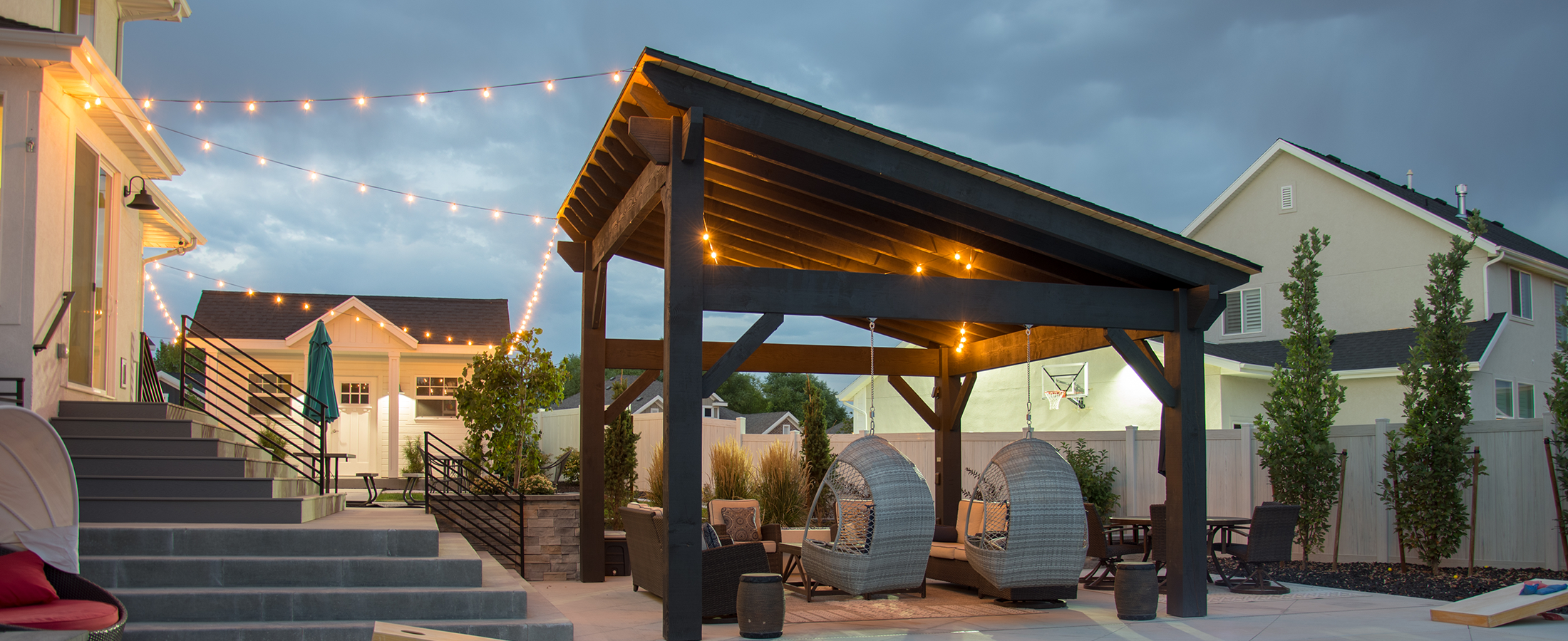
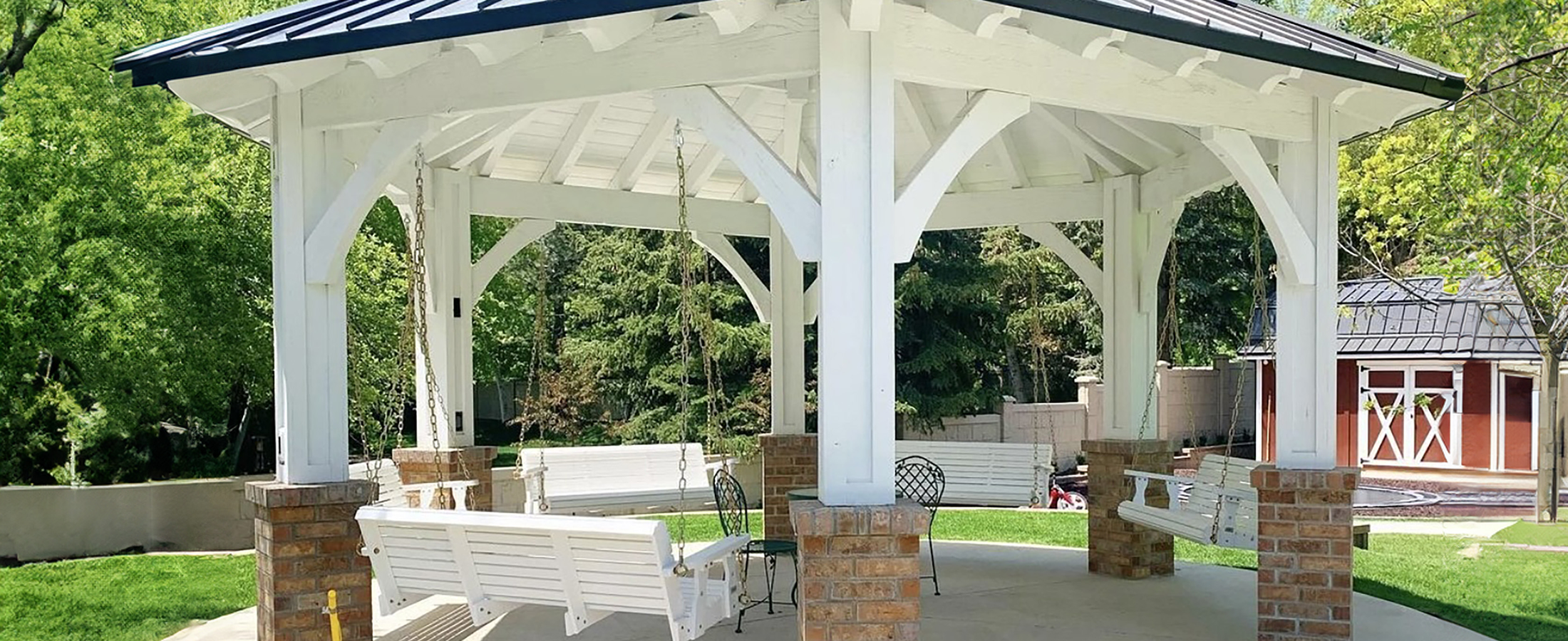
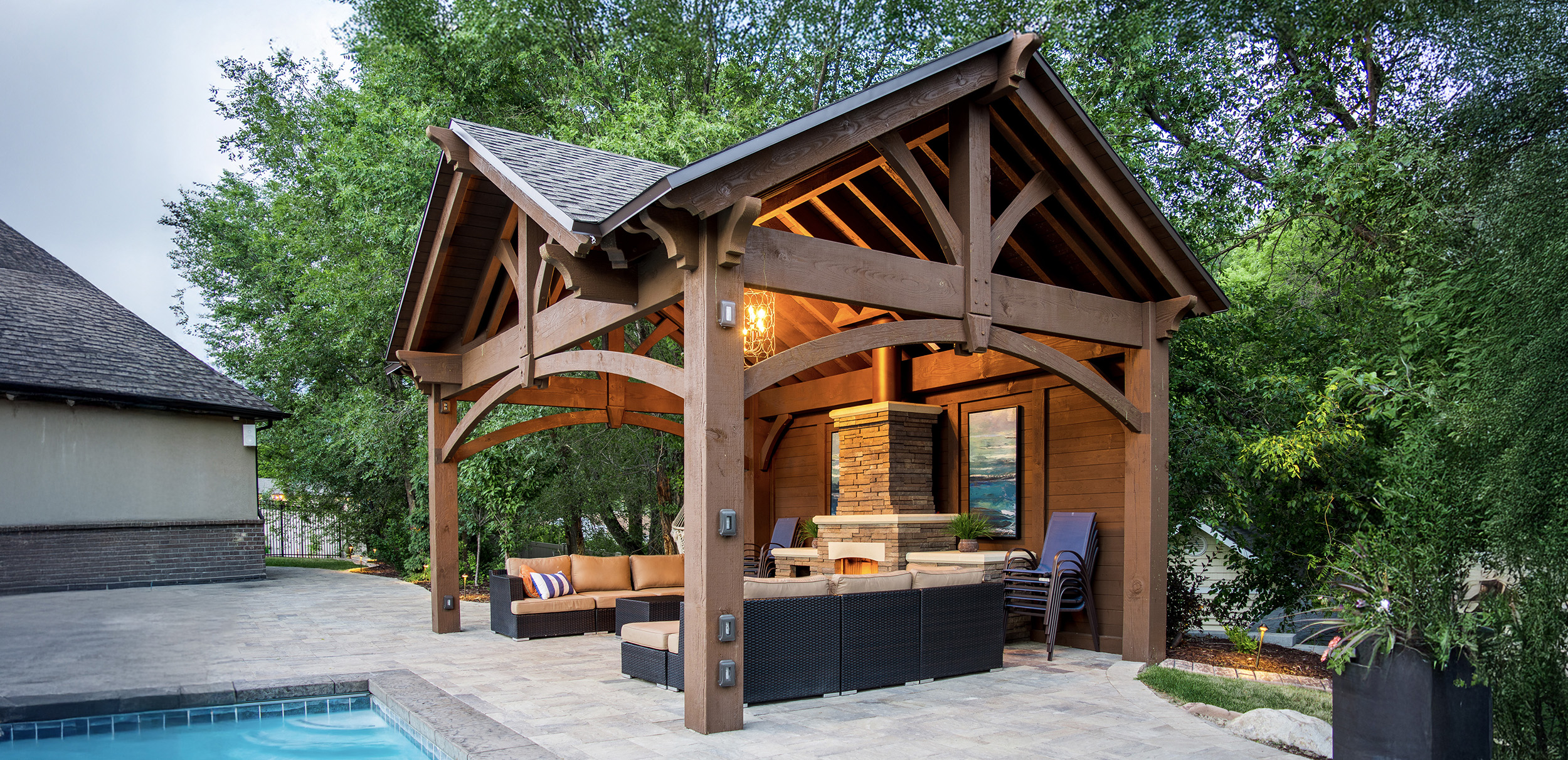
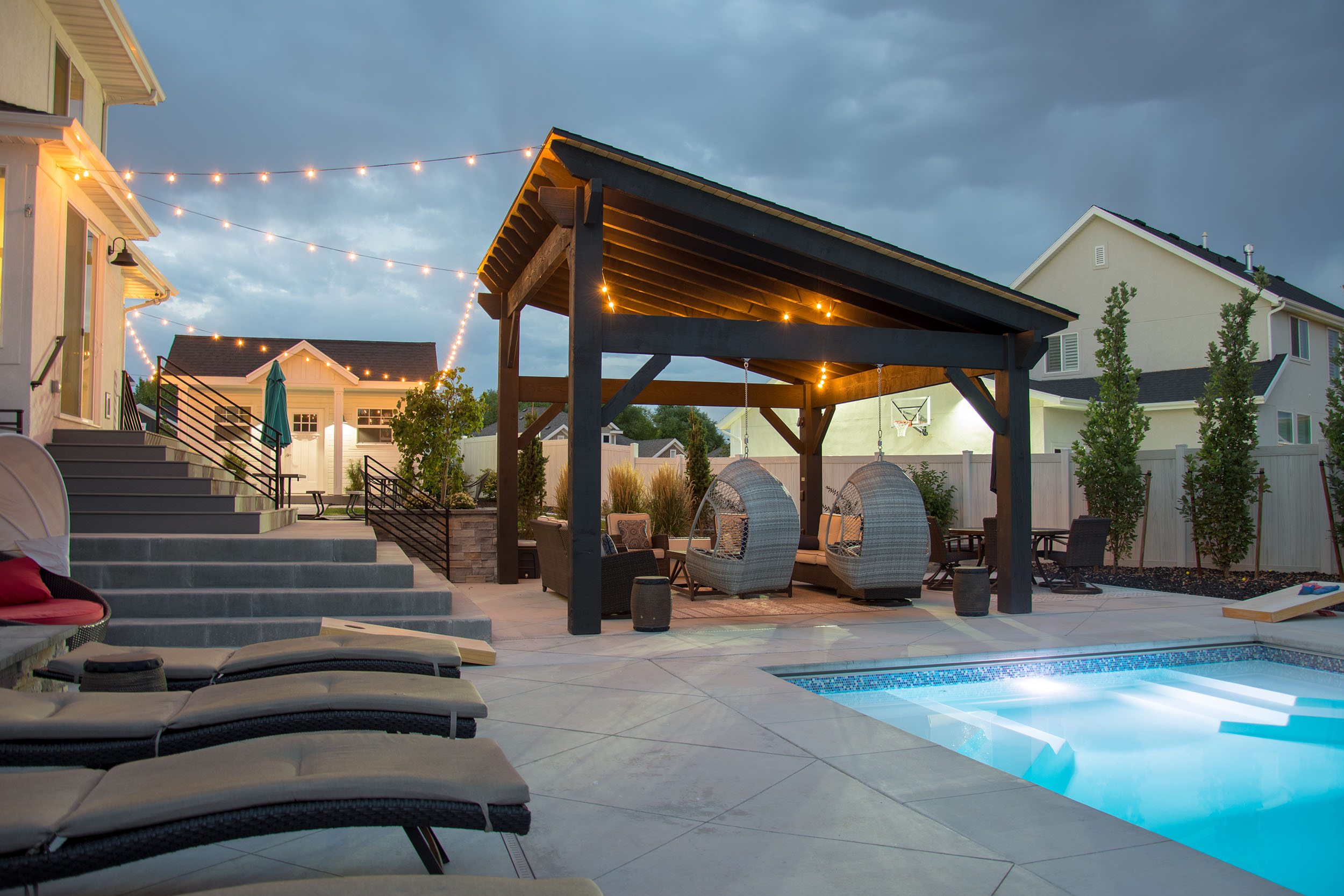
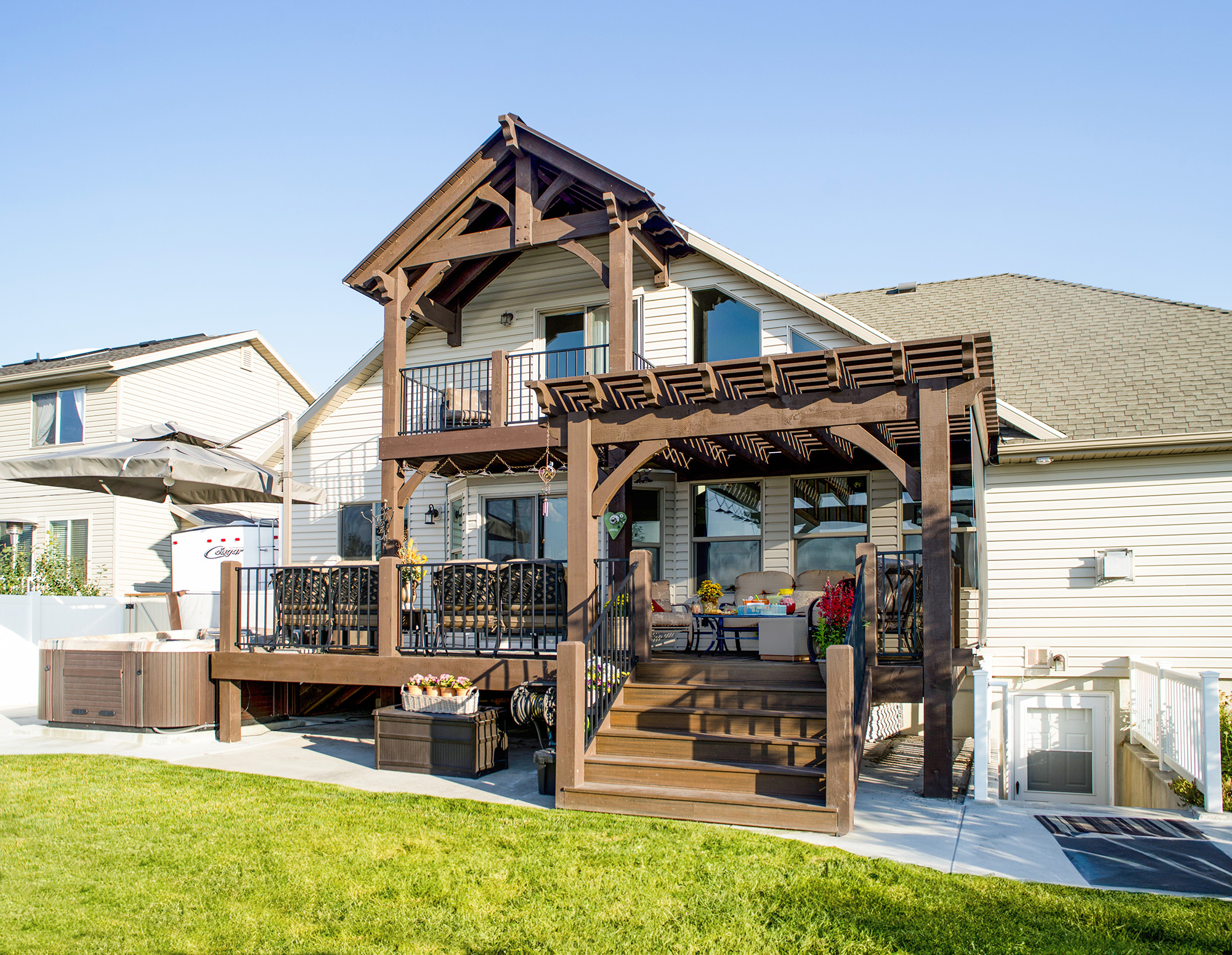
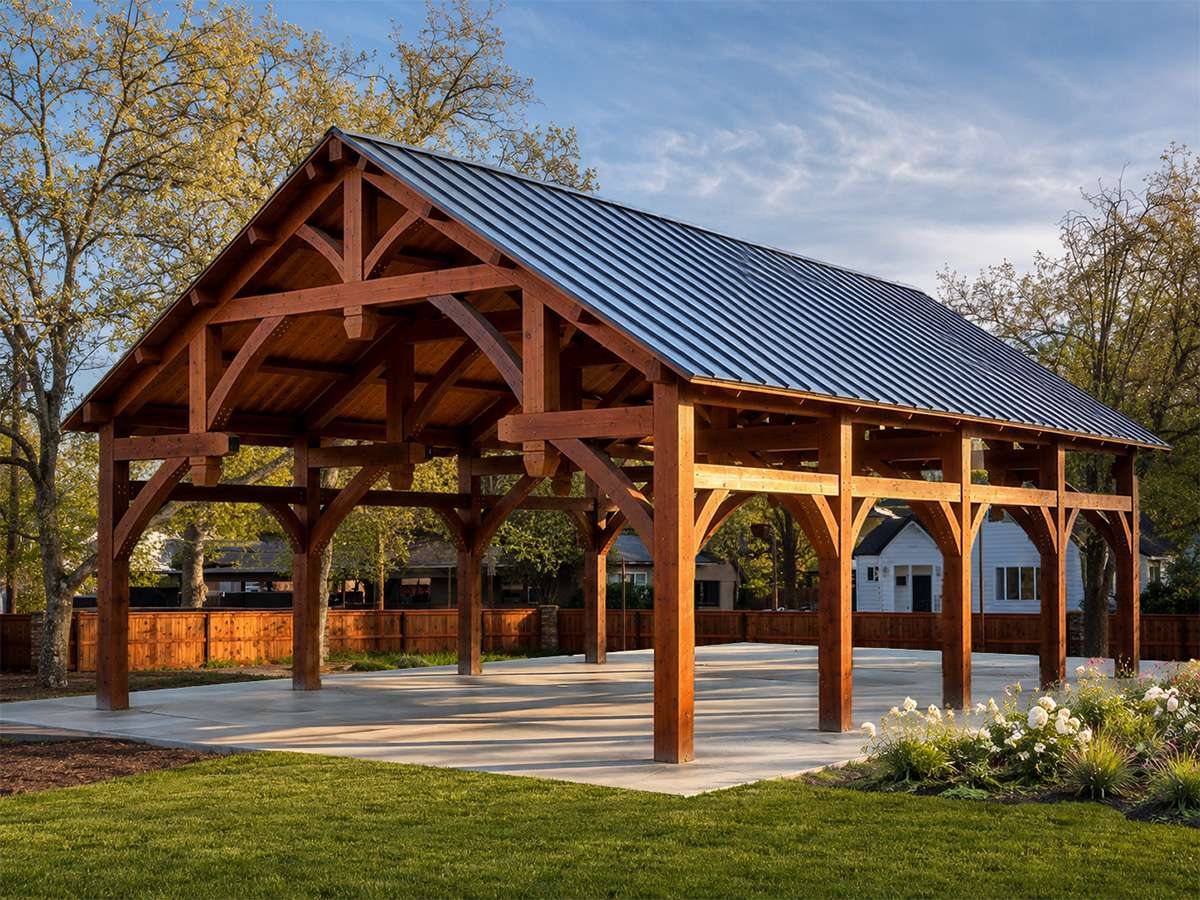
Western Timber Frame builds those places in real timber, and homeowners choose from four species: Douglas Fir, Coast Redwood, Incense Cedar, and Western Red Cedar. More than 7,000 structures have shipped from the Payson, Utah shop since 2008.


Reasons People Actually Go Out

Dinner, mostly. Then a birthday, a proposal, a wedding reception, a Tuesday when the weather is good and someone lights the fire pit.
None of that requires a study to justify. It only requires somewhere comfortable to stand when the sun is still up.
“We create outdoor spaces where you will want to be outside. Places where you can spend time with your family, and celebrate the relationships that you cherish.”
— Western Timber Frame


Sources
- Klepeis et al., The National Human Activity Pattern Survey (NHAPS), 2001
- Walch et al., The Effect of Sunlight on Postoperative Analgesic Medication Use, 2005
- Li et al., A forest bathing trip increases human natural killer activity, 2008
- Adolescent Brain Cognitive Development study, early findings, 2018
- American Academy of Pediatrics, media use guidance