Fabric RV Covers vs. a Built Cover: What Each Protects
A fabric RV cover and a built cover are solving two different problems. A fabric cover is a barrier laid against the vehicle: it blocks ultraviolet light and keeps leaves and sap off the paint, and it packs away when you are done. A permanent cover never touches the vehicle at all — it puts a roof above it, keeps air moving underneath, and carries snow and hail on its own frame. Knowing which problem you actually have is most of the decision. Western Timber Frame™ has shipped more than 7,000 timber structures since 2008, each engineered to the snow and wind loads of the address it is going to.
Key Takeaways
- Fabric covers work by contact, which is also their weakness — grit caught between the cover and the clear coat abrades paint every time the fabric moves in wind.
- A cover that is not fully breathable can hold moisture against the bodywork. Trapped damp does more harm than the sun it was blocking.
- Fabric protects paint. It does nothing for hail, snow load or a falling branch.
- A built cover protects without touching the vehicle, and the space works for more than parking.
- Fabric is the right answer for seasonal storage or somewhere you cannot build. It is not a substitute for a roof.
What a Fabric Cover Actually Does
Start with the fair case for fabric, because it is real. A good cover costs a fraction of any built structure, goes on in minutes, moves with you, and needs no permit, no footing and no permission from anyone. For a vehicle that sits for one season a year, or a rental where building is not an option, that combination is difficult to argue with.
The ultraviolet protection is genuine too. Modern automotive finishes are a pigmented layer under a clear coat carrying UV inhibitors, and that clear coat is what degrades first under sustained sun. Keeping direct light off it slows that down.
Where fabric runs into trouble
The difficulty is that a cover protects by lying against the paint. Dust and road grit settle between the two surfaces, and every time wind lifts and drops the fabric, that grit moves across the clear coat. On a vehicle parked outdoors through a windy spring, the cover meant to protect the finish can be the thing polishing it.
The second issue is moisture. A cover that sheds rain well can also stop what is underneath from drying. Condensation forms under the fabric overnight, and without real airflow it stays there against the bodywork and the window seals. Breathable covers exist and are worth the money, but breathability and waterproofing pull against each other.
Then there is everything fabric was never meant to stop. It will not hold a hailstone, carry a snow load, or absorb a branch coming down in a storm. And it has to be taken off and put back every time the vehicle moves, which in practice is the reason a lot of covers end up folded in a garage.
What a Built Cover Does Differently


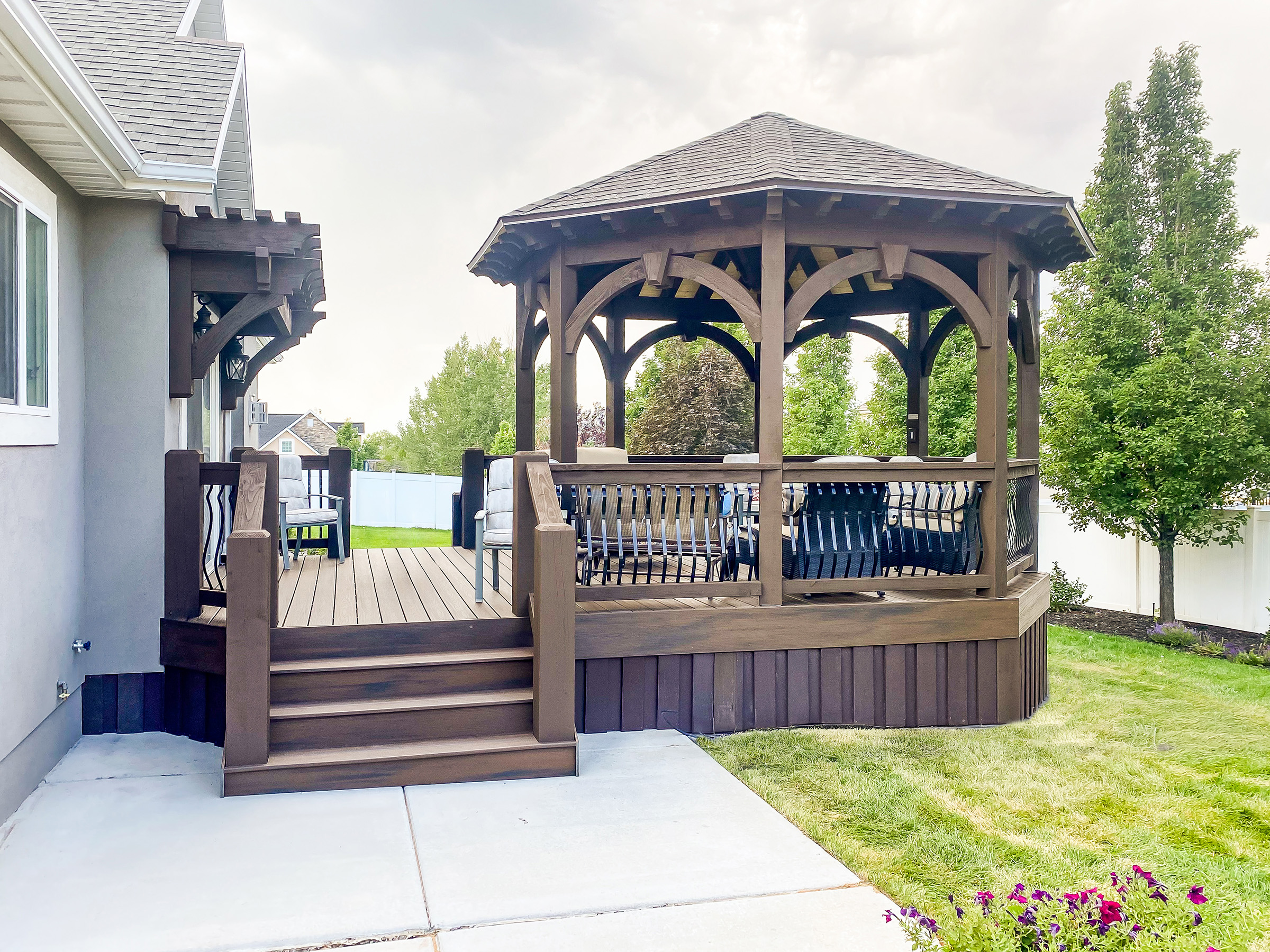
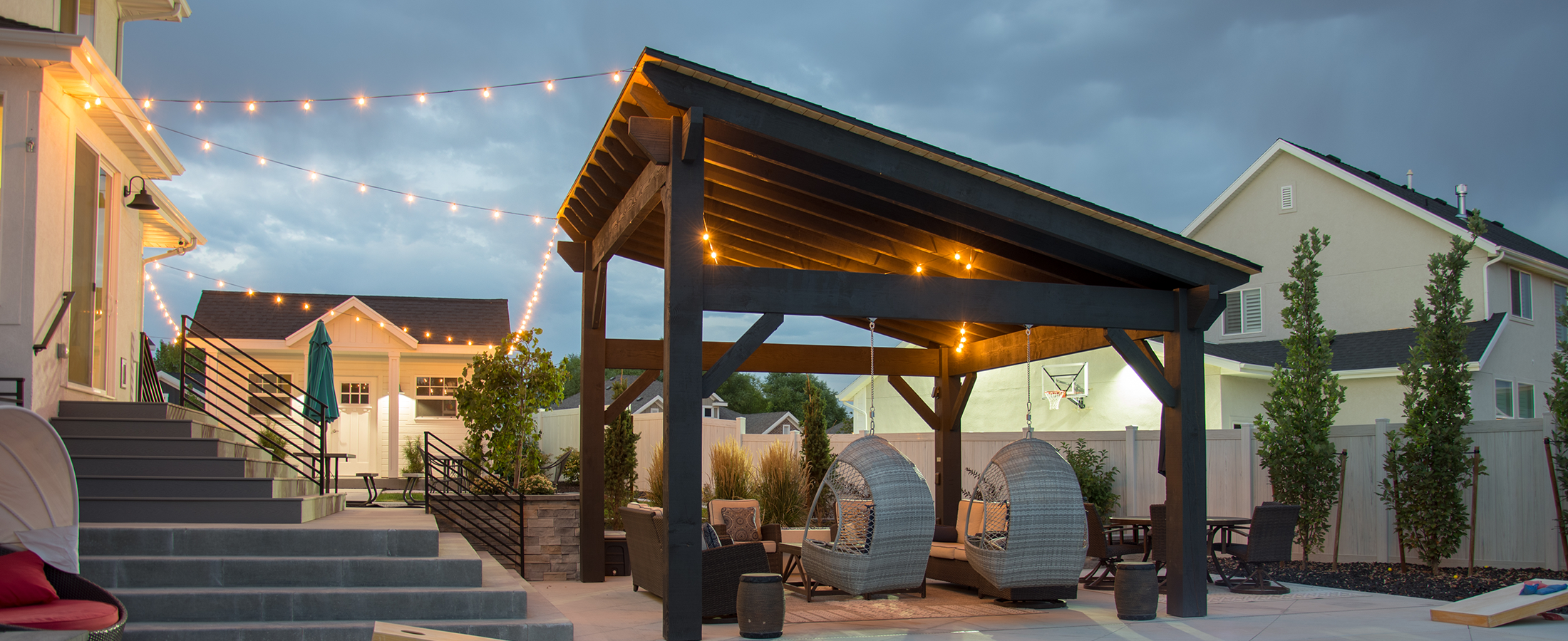
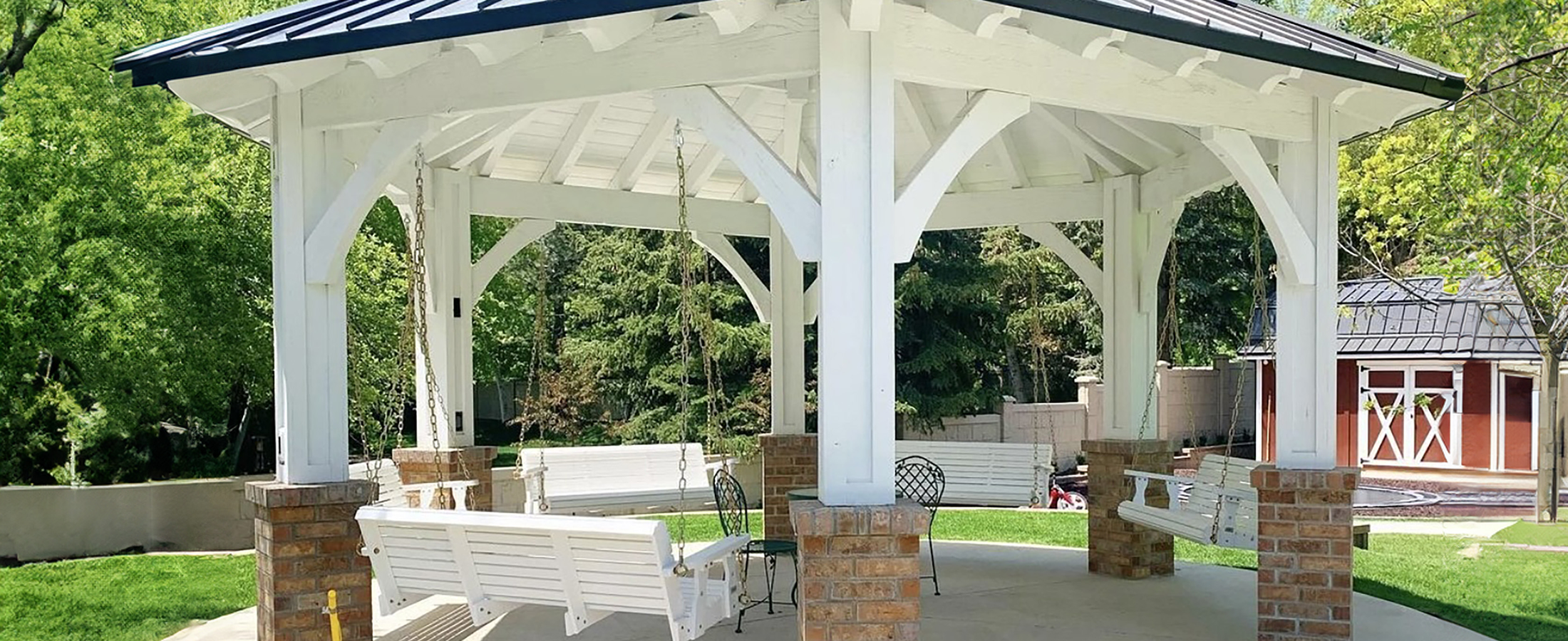
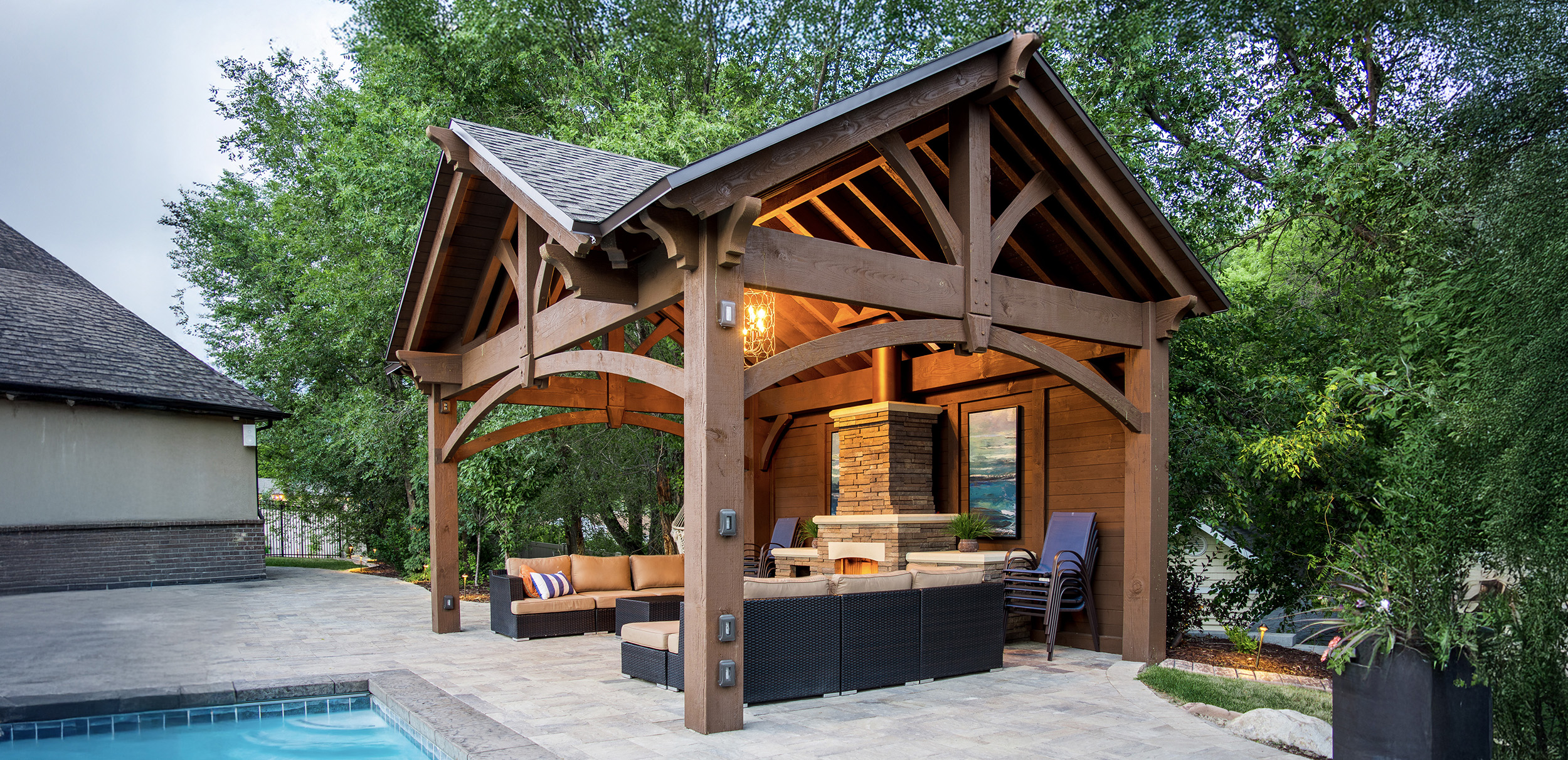
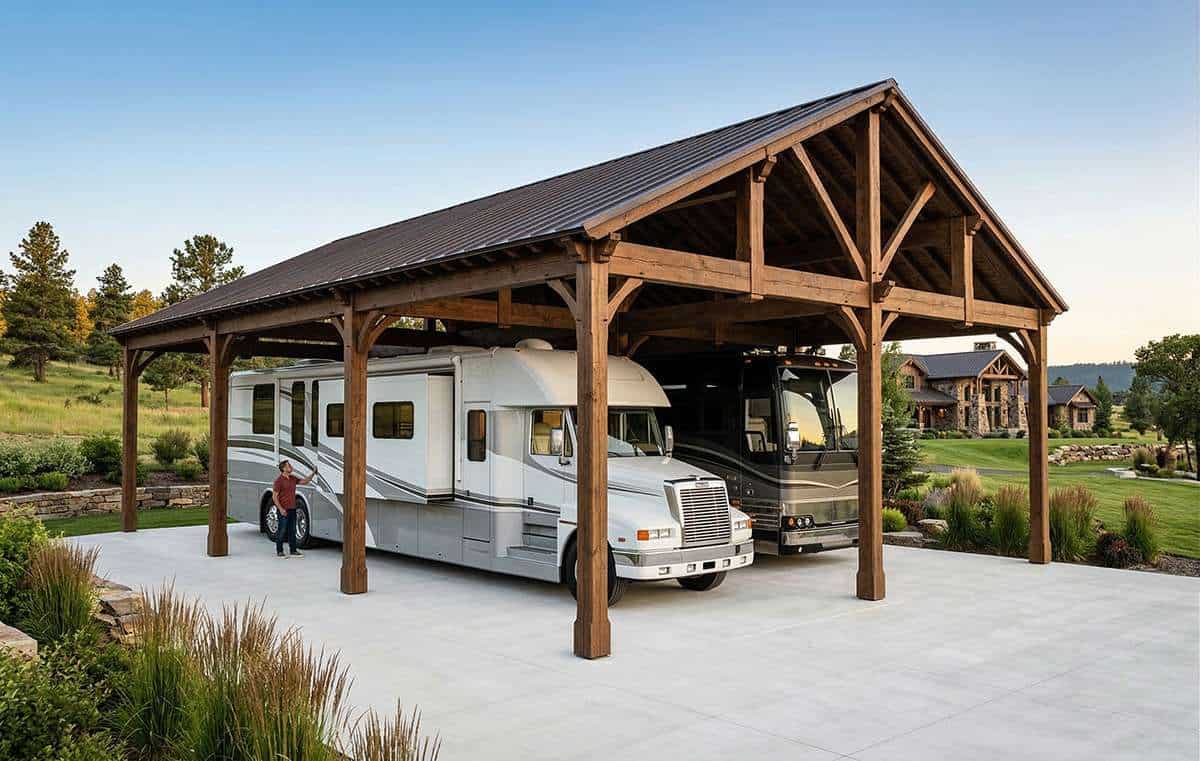
A built cover changes the mechanism entirely. Nothing rests on the paint, so there is no abrasion to manage. Air moves freely underneath, so condensation clears instead of sitting. The roof takes the snow, the hail and the branch, and the vehicle underneath is simply parked.
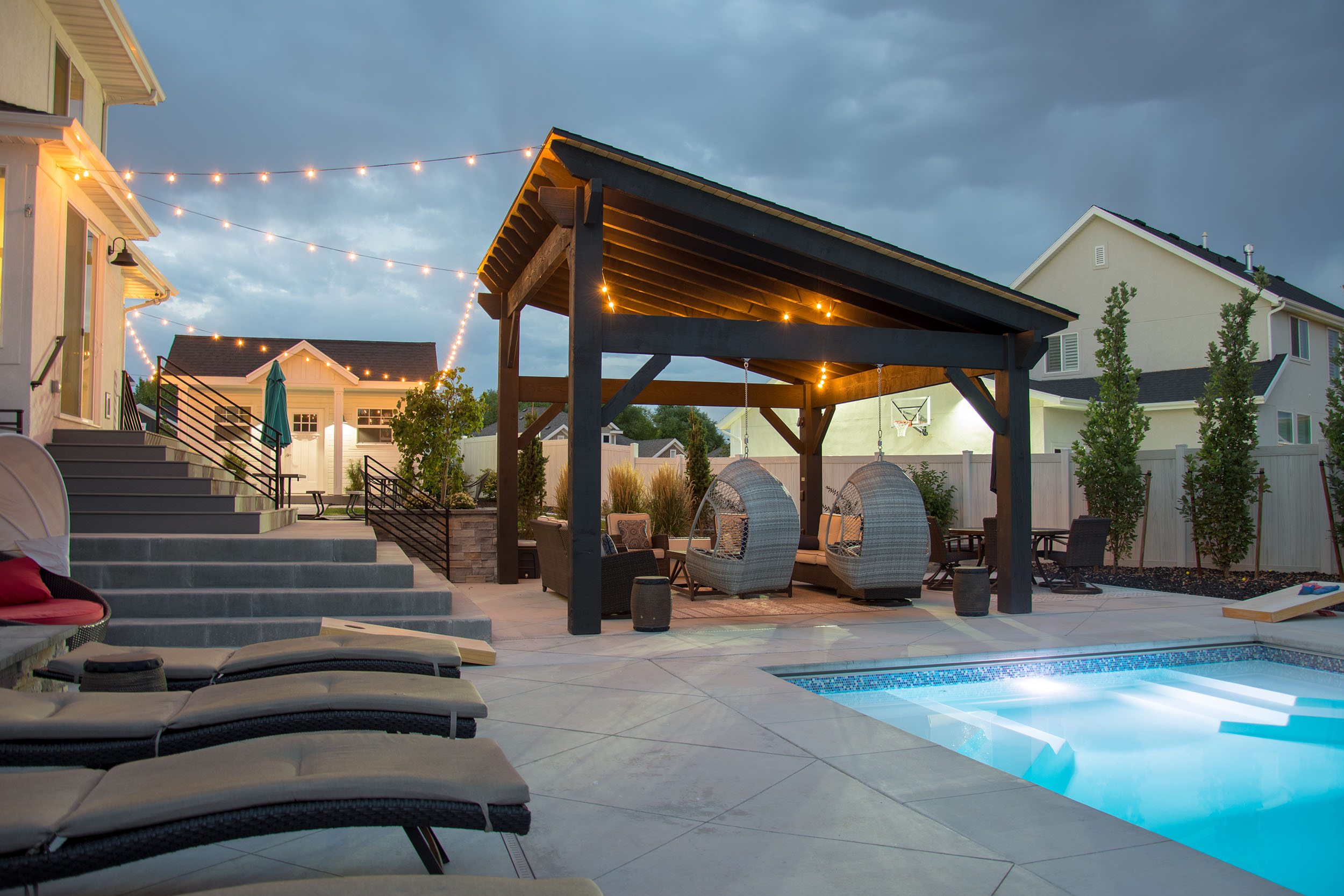
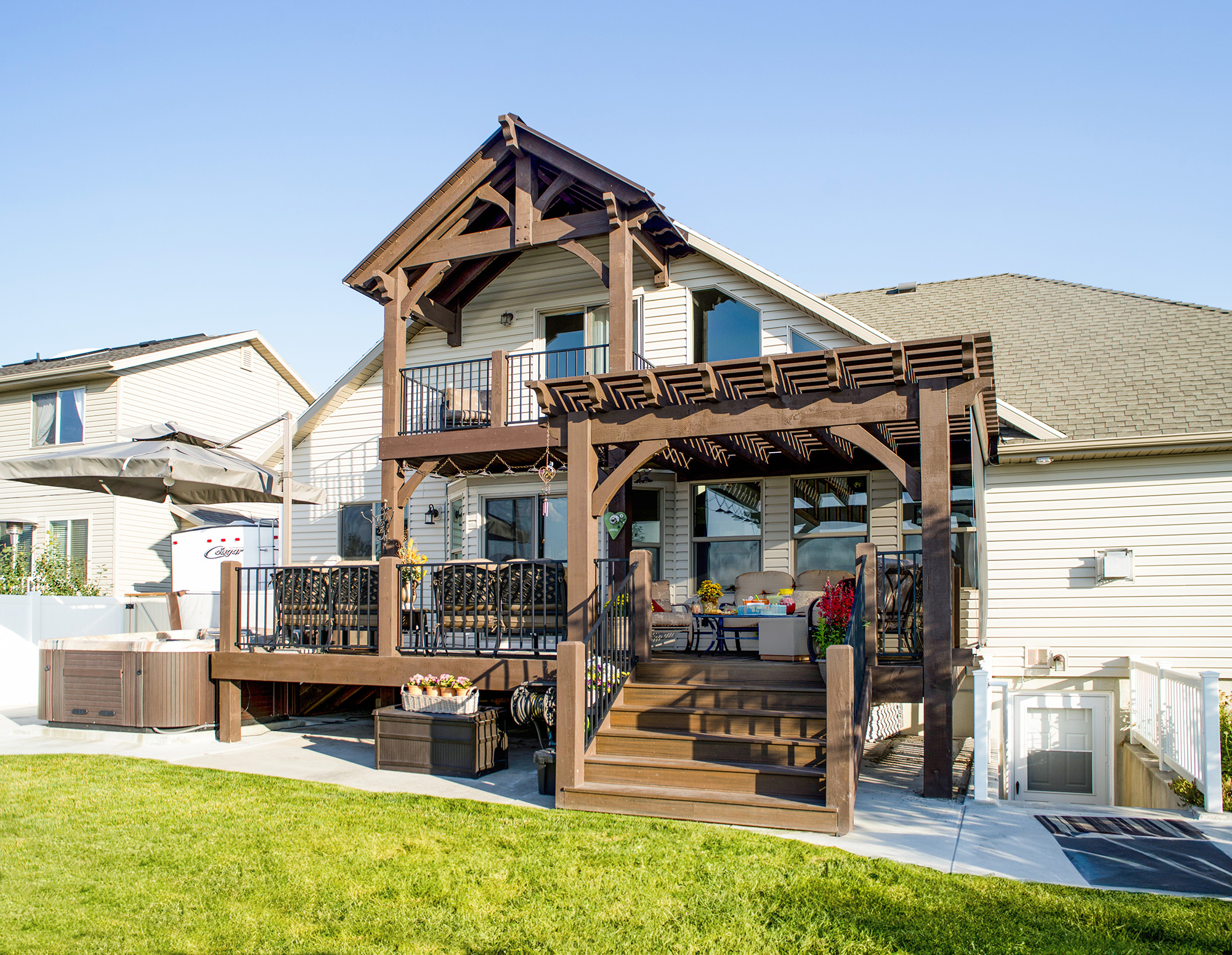
It also stops being only a vehicle cover the moment it exists. The same structure over a motorhome shelters a work area in the rain, a boat in the off season, equipment through winter, or a table when family visits. A fabric cover has exactly one use; a roof has as many as the space gets put to.

The trade is worth stating plainly: a built cover costs more at the outset, takes a weekend or more to put up, and may need a permit depending on where you live. What you get for that is protection that works whether or not anyone remembers to put it on.
One Structure, One Hurricane

Kenneth Baker’s structure on the Florida Gulf Coast came through Hurricane Irma, a Category 5 storm, with no structural damage. His neighbors sat under it during the storm.
“This pergola has already been through its first hurricane — Irma. She stood tall and proud and never wavered. Our neighbors sat with us under her and watched as men from Texas cut trees off the lines and restored our power.”
— Kenneth Baker. Read the full account.
That is one structure in one storm, and it is worth being careful about what it proves. It is not a wind rating, and it does not say what any other structure would do. What it does show is the difference in kind between a frame engineered for the loads at its own address and a sheet of fabric tied down over a vehicle.
What You Are Actually Buying


Weight is the clearest tell when comparing built covers to each other. A flat-pack kit that arrives in a few cardboard boxes is made of thin material, whatever the photograph suggests. Solid timber arrives strapped to a flatbed because there is no way to make it arrive otherwise.
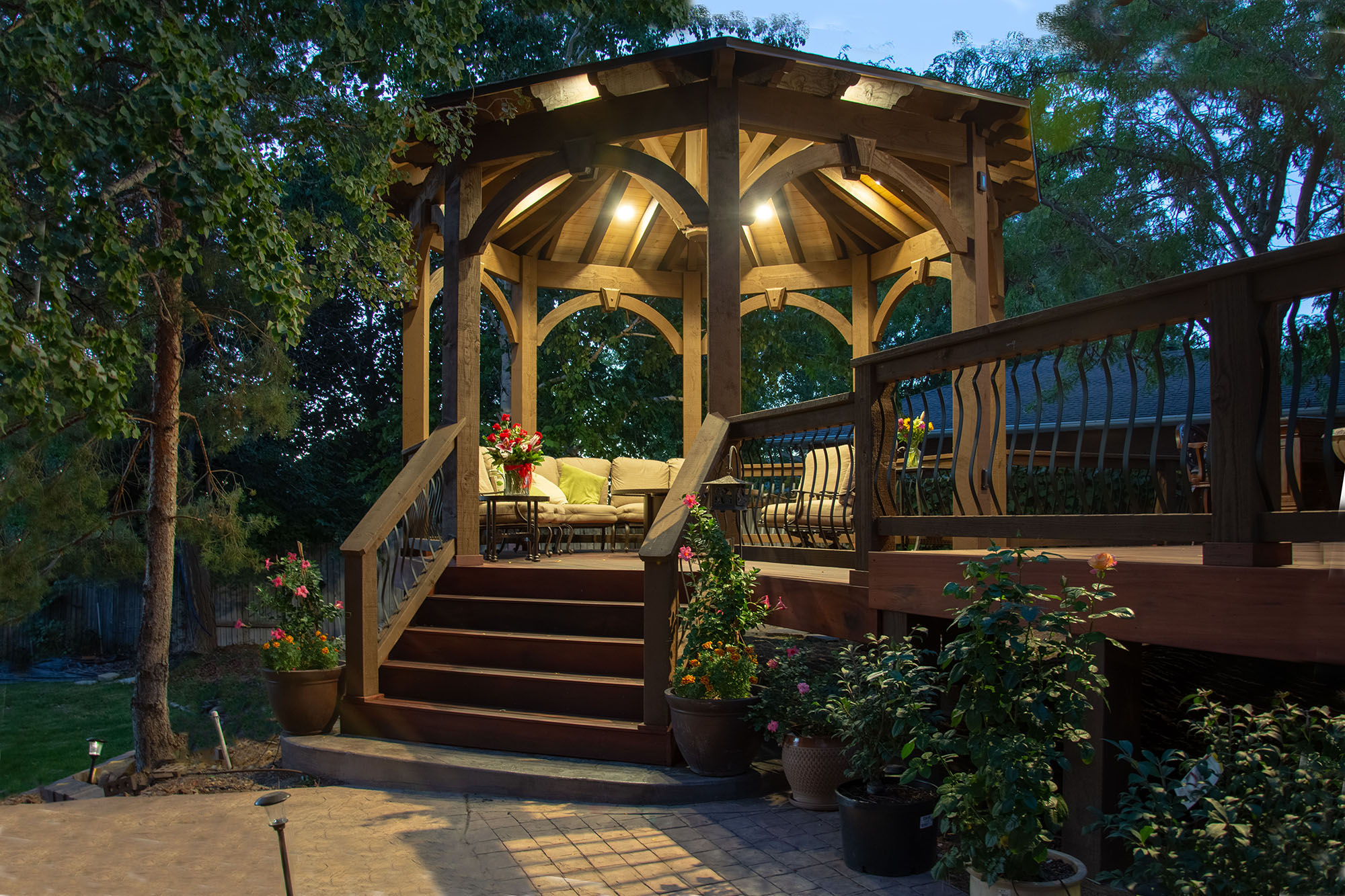
Western Timber Frame builds in four species — Douglas Fir, Coast Redwood, Incense Cedar and Western Red Cedar — cut and drilled before shipping, so assembly is fitting prepared pieces rather than measuring and cutting on site. The timbers interlock through the patented Dovetail Difference® joinery, which keeps the load in the wood rather than relying on exposed metal brackets to hold the frame together.
Maintenance

Real timber outdoors wants an occasional re-coat, and because the color lives in the grain, refreshing it is straightforward with no stripping. For small touch-ups, stain goes into a spray bottle and onto the spot. That is the trade against a fabric cover that gets replaced when it wears through.
RV Cover Questions People Send Us
Can a fabric cover damage paint?
It can, through abrasion rather than the fabric itself. Dust and grit settle between the cover and the clear coat, and wind movement drags that grit across the finish. Washing the vehicle before covering it, and using a cover sized correctly so it does not flap, both reduce it. A cover that never touches the paint cannot cause it at all.
Is a breathable cover enough on its own?
It helps considerably and is worth paying for. But breathability and waterproofing work against each other, so a cover that lets moisture out also lets some in. In a wet climate, a roof that keeps rain off entirely while air moves freely underneath handles it more completely.
Do I need a permit for a built RV cover?
Usually yes, and it varies by jurisdiction — it depends on footprint, height, and whether the structure attaches to the house. Western Timber Frame provides engineering documentation to support permitting, and can provide stamped drawings prepared by a licensed engineer where the project and jurisdiction require them. The homeowner files the permit.
How tall does an RV cover need to be?
Measure your vehicle at its highest point, including air conditioners, vents and antennas, then add clearance for getting in and out without watching the roofline. Recreational vehicles usually need more height than a carport built for cars, and extra height means longer posts and a frame sized for it. That is a design question worth settling before anything is ordered.
Who builds these?
Western Timber Frame builds from a single shop in Payson, Utah and ships to all 50 states. Structures are engineered to the project’s local snow and wind loads rather than to a catalog specification.
Where to Read More
Easily Build Your Own Timber Frame RV or Carport Cover
The full guide: sizing by vehicle type, how a kit goes together, and timber against metal, aluminum and vinyl.
Timber Frame Carport Kits: Covering Vehicles, Equipment and More
What people actually park under them, and putting one up yourself.
Carport Engineering
How the frames are engineered, and what documentation comes with one.
Boat & RV Covers
Sizes and configurations built for larger vehicles.
Western Timber Frame™ — Payson, Utah | Since 2008 | 7,000+ structures in all 50 states
2026 SBA Manufacturing Award | HGTV Design Excellence Award | 28 Best of State Awards