
Pergola vs. Pavilion Shade: Balancing Shade and Sunlight
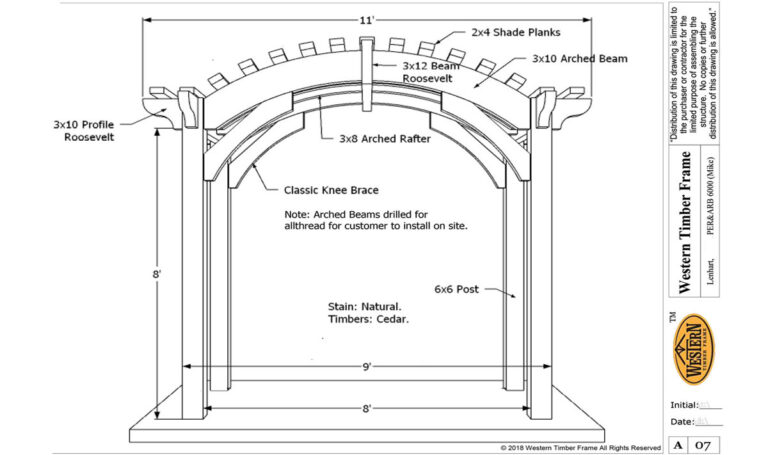
A pavilion and a pergola each create shade, but in their own way. A pavilion has a solid roof that blocks direct overhead sunlight and protects the space from rain and snow. A pergola uses open rafters and shade planks to filter sunlight while letting light and air through the roof. A Western Timber Frame pergola with ShadePrint™ shade planks provides 80–85% shade coverage, depending on orientation, time of day, and time of year.
The right choice depends on how you want to use the space. Full weather protection points toward a pavilion; filtered sunlight and an open-air feel point toward a pergola. Orientation and added shade features can then fine-tune where and when the shade falls.

Key Takeaways
- Pavilion: a solid roof gives full shade and protection from rain and snow
- Pergola: an open roof filters the sun and keeps air moving
- ShadePrint™: 80–85% shade coverage, depending on orientation, time of day, and time of year
- Orientation: the direction of the rafters and shade planks changes where the shade falls
- Options: louvers, shutters, and privacy panels can add shade where you need it
How Does a Pergola Filter Sunlight?
A pergola’s roof is made of rafters with shade planks running across them. Sunlight passes through the gaps, so the space underneath gets a pattern of light and shade instead of full darkness. That keeps the area bright and airy while softening the direct sun.
The shade pattern changes throughout the day as the sun’s angle changes. The length and direction of the shadows depend on the pergola’s orientation, the direction and spacing of the overhead members, the time of day, and the season. That is why two pergolas of similar size can produce noticeably distinct shade patterns on their patios.


When Is a Pavilion the Better Choice?
A pavilion has a solid roof, providing full overhead shade and protection from rain and snow. It is often the better choice when the goal is a covered outdoor room for furniture, lighting, fans, televisions, an outdoor kitchen, or other features that benefit from more weather protection.

How Does Orientation Change Pergola Shade?
The sun’s position changes by hour and by season, so a pergola’s orientation affects where its shadows fall. The direction of the rafters and shade planks also shapes the shade pattern beneath and around the structure.
That is why orientation should be considered before the pergola is built, not after the patio turns out to be too sunny at the time you planned to use it. Western Timber Frame’s design team can show you how the shade will fall before anything is built. In one project, seeing that animation led a homeowner to turn her pergola a full 37 degrees from her original plan, so she had shade when she needed it most. Read more in 5 Backyard Projects That Can Change the Way Your Family Lives.
Can You Add More Shade Later?
Yes. Side shade can be added with louvered shutters, privacy panels, or lattice walls. These are especially useful for low-angle sunlight that comes in from the side rather than through the roof, particularly on sides exposed to low afternoon sun.

See Pergola Privacy Screens & Walls for more options.
Questions About Shade and Sunlight in Outdoor Design
Does a pergola provide full shade?
No. A pergola filters sunlight through its rafters and shade planks. A Western Timber Frame pergola with ShadePrint™ shade planks provides 80–85% shade coverage, depending on orientation, time of day, and time of year.
What is the difference between a pergola and a pavilion?
A pergola has an open roof of rafters and shade planks that filters sunlight and lets air through. A pavilion has a solid roof that provides full overhead shade and protection from rain and snow.
Which provides more shade, a pergola or a pavilion?
A pavilion provides more complete shade because it has a solid roof. A pergola provides filtered shade, letting some sunlight and air through its open roof.
Which way should a pergola face?
There is no single best direction for every pergola. The best orientation depends on the property’s sun exposure and when the space will be used. Mapping the sun’s path by hour and season shows how to orient the pergola and its shade planks so the shade falls where and when it is needed.
Does pergola shade change throughout the day?
Yes. The shade beneath a pergola moves as the sun crosses the sky, and the pattern changes through the year as the sun’s seasonal angle changes. The pergola’s orientation and the direction of its rafters and shade planks affect where those shadows fall.
Is a pergola cooler than sitting in direct sun?
A pergola reduces direct sun exposure by placing rafters and shade planks between you and the sun, and because the roof stays open, air keeps moving through. How much shade you get at a given time depends on the pergola’s design, orientation, and the sun’s position.
Can I add shade to the sides of a pergola?
Yes. Louvered shutters, privacy panels, and lattice walls can add side shade and help block low-angle morning or afternoon sunlight.
What warranty comes with a Western Timber Frame structure?
Every Western Timber Frame structure carries a limited structural warranty. Length runs from 3 years on Deck Structures to 25 years on the 12K Series, based on the series you purchase.
Western Timber Frame has designed, handcrafted, and delivered more than 7,000 outdoor structures in all 50 states since 2008. See timber pergolas and timber pavilions, or request a free design consultation and call 877-870-8755.
Western Timber Frame™ — Payson, Utah | Since 2008 | 7,000+ structures in all 50 states
2026 SBA Manufacturing Award | HGTV Design Excellence Award | 28 Best of State Awards